West Allis Roofing Contractor for Leaks, Ice Dams & Roofs Built for Wisconsin
West Allis roofs take a beating. We get 45–50 inches of snow most winters and dozens of freeze-thaw swings, and most of the houses here are a century-old mix of bungalows, Cape Cods and up/down duplexes. Put those together and you get ice dams, failed chimney flashing and leaks that show up as a brown stain on the ceiling in March. West Allis Roof Repair Solutions fixes those problems at the source. We repair the leak, then check the ventilation, insulation and flashing that caused it so you're not calling us back next winter.
Our crews know these roofs: steep pitches, dormers, original brick chimneys and two or three layers of shingles over plank sheathing. We work from Downtown West Allis and Six Points out to Honey Creek and the Hwy 100 corridor, and we cover Wauwatosa, West Milwaukee, Greenfield, Milwaukee and Elm Grove too. Every job comes with photos of what we found and what we fixed, itemized pricing you can actually read, and a clean yard when we leave. On these tight urban lots, that last part matters.
- ✓Bonded and insured roofing contractor
- ✓Photo documentation on every job
- ✓Clear, itemized pricing before work begins
- ✓Financing available for repairs and replacements
- ✓Ice dam root-cause fixes, not just patches
- ✓Tidy job sites with careful debris control on tight lots
- ✓Serving communities within a 20-mile radius of West Allis
Request Your Free Estimate
No obligation. Fast, honest quotes.
Thank you — your request was sent!
A member of the West Allis Roof Repair Solutions team will reach out shortly. Need help now? Call (414) 361-2144.
Why West Allis Homes Need a Roofer Who Knows Milwaukee County
A roof in West Allis deals with things a roof in Atlanta never will: lake-influenced snow, hard freezes followed by quick thaws, and housing that mostly went up before 1960. Here's what's actually working against your roof, and why generic fixes tend to fail here.
Freeze-Thaw Cycles, Heavy Snow and Summer Storms
West Allis sits about 6–8 miles inland from Lake Michigan. January highs hover around 28–30°F, and lows drop into the mid-teens. We average roughly 45–50 inches of snow a season, and single storms often drop 6–12 inches of heavy, wet snow. The bigger problem is temperature crossings. Each winter brings dozens of trips above and below 32°F, especially in late fall and again in March and April. Snow melts over a warm attic, runs down to a cold eave and refreezes into an ice dam. That dam pushes water back under the shingles. Summer has its own risks. Severe thunderstorms bring straight-line winds of 50–60+ mph and occasional hail, which lift and crease aging three-tab shingles. Mature tree canopies add shade, moss and clogged gutters on top of all that.
A Century of Bungalows, Cape Cods and Duplexes
Most West Allis housing went up between 1900 and 1960, driven by Allis-Chalmers and the factories around it. You'll see Milwaukee-style up/down duplexes, Polish flats, 1910s–1930s bungalows, 1940s brick Cape Cods and post-war ranches on the west and south sides. A lot of these roofs carry two or more shingle layers over original plank sheathing. When we tear off, we often find rotted boards and gaps that need new plywood or OSB. In 1.5-story homes, the knee walls, thin insulation and blocked soffit vents are a textbook setup for ice dams. Add aging brick chimneys, detached alley garages and flat rear sections on duplexes, and you need a crew that's comfortable with detail work.
Permits, Codes and Local Rules
Wisconsin's Uniform Dwelling Code governs one- and two-family homes, and the commercial code covers businesses. Each municipality enforces its own permit rules. West Allis, Milwaukee and Wauwatosa generally require a permit for reroofing, but requirements and fees vary from city to city. Code in our climate zone calls for ice-and-water shield from the eave to at least 24 inches inside the exterior wall line. Most jurisdictions also cap roof coverings at two layers, which means a lot of older homes need a full tear-off. Wis. Stat. 100.65 bars contractors from promising to cover your insurance deductible. Historic districts in Milwaukee and Wauwatosa's Washington Highlands may need design review before you change materials, and HOAs in Brookfield, New Berlin and Franklin often limit shingle colors.
A Practical, Value-Minded Community
West Allis has about 60,000 residents and a working- and middle-class backbone. The city is home to long-time owners, young first-time buyers and a lot of owner-occupant landlords running duplexes. People here want an honest answer on whether a repair will do or the roof really needs replacing, and they want it in writing with line items. That's how we work. When a repair will buy you years, we'll say so. When it won't, we'll show you photos of why, and we'll walk you through financing if a replacement makes sense.
Common Roofing Problems We See in West Allis
Most of the calls we get in West Allis come down to a handful of problems, and most of them trace back to our climate and the age of the housing. Here's what to look for, how serious each one is, and what usually fixes it.
Ice Dams and Ice Dam Leaks Emergency
An ice dam is a ridge of ice along the eave. It forms when snow melts over a warm attic and refreezes at the cold overhang. Meltwater then backs up behind the ice, works under the shingles and gets into soffits, walls and ceilings.
Why it's common hereWest Allis sees dozens of freeze-thaw cycles every winter, and storms regularly drop 6–12 inches of wet snow. Many 1910s–1940s bungalows and Cape Cods have knee walls, very little attic insulation and soffit vents that are blocked or were never installed. Heat escapes into the roof deck, and the snow melts even when it's well below freezing outside. Older roofs often predate modern ice-and-water shield requirements. Once that meltwater reaches the eave, there's nothing stopping it.
Signs you'll notice- Thick ice ridges and long icicles along gutters
- Water stains on ceilings near exterior walls
- Damp or peeling paint on interior walls below the eave
- Ice forming inside soffit vents
- Wet attic insulation or frost on roof nails
- Sagging, ice-packed gutters
Ice dams cluster on 1.5-story bungalows and Cape Cods around Honey Creek, West Allis Highlands and the post-war blocks off Hwy 100. North-facing eaves and roofs shaded by mature trees build the worst dams, usually in late January through March.
Our fix: We steam ice off safely, without chipping, and repair the damaged shingles and soffits. Then we fix the cause with better ventilation, air sealing guidance and ice-and-water shield at the eaves.
Chimney Flashing Leaks Serious
Flashing is the metal that seals the joint where your roof meets the chimney. Over time it pulls loose, rusts, or loses its sealant. When the mortar joints holding it in place crumble, water runs down the brick and into the attic or the walls around the chimney.
Why it's common hereMost West Allis homes built before 1960 still have their original brick chimneys. Decades of freeze-thaw cycles crack the mortar and crowns, and water gets into the brick. Many chimneys have been 'fixed' with roofing tar or caulk instead of proper step and counter flashing. Tar fails within a season or two of Wisconsin winters. Wind-driven rain from summer storms then finds every gap.
Signs you'll notice- Stains on the ceiling or wall beside the chimney
- Water dripping in the attic along the chimney chase
- Tar or caulk smeared over the flashing
- Crumbling mortar joints or a cracked chimney crown
- Rusted or lifted metal at the chimney base
- Musty smell near the fireplace
Chimney leaks are one of the most common repair calls we get in Downtown West Allis and around Six Points, where brick chimneys on duplexes and bungalows are 70–100+ years old. They spike during spring rains and right after snowmelt.
Our fix: We remove the failed flashing, install new step and counter flashing cut into the mortar joints, and seal it properly. If the crown or the mortar has failed, we address that too.
Wind and Hail Damage Serious
Strong straight-line winds lift and break shingle tabs. Hail bruises shingles and knocks the granules loose, which exposes the asphalt to UV and water. The damage isn't always visible from the ground, but it shortens a roof's life and can open leaks.
Why it's common hereSoutheastern Wisconsin gets severe thunderstorms from late spring through summer, with derecho-type and frontal gusts of 50–60+ mph. The area has had several notable hail events that set off waves of insurance claims. Aging three-tab roofs, which are common on West Allis ranches and older duplexes, have weak seal strips that let go first. After every big storm, out-of-state storm chasers show up, which makes a local, honest assessment worth even more.
Signs you'll notice- Missing or creased shingle tabs
- Shingles or shingle pieces in the yard
- Granules piling up in gutters and downspouts
- Dents in gutters, vents or metal flashing
- Dark, bruised spots on shingles
- New leaks right after a storm
Wind damage hits hardest on exposed ranches along the Hwy 100 corridor and on the large hip roofs in Brookfield and New Berlin. Hail tends to come in swaths. A whole neighborhood can be hit at once, followed by a flood of door-knocking contractors.
Our fix: We document the damage with photos, make temporary repairs or tarp if needed, and give you an honest assessment you can bring to your insurer. Then we repair or replace.
Rotted Plank Sheathing Under Layered Shingles Moderate
Many older homes have two or three shingle layers nailed over original plank or skip-board sheathing. Moisture gets trapped between those layers and rots the boards. The deck goes soft or spongy, and new shingles won't hold nails properly.
Why it's common hereWest Allis homes from the 1900s–1950s were often reroofed by just adding a layer on top. Code generally caps coverings at two layers, so many of these roofs now need a tear-off. Decades of condensation from poorly vented attics, plus small leaks nobody caught, deteriorate the planks underneath. You usually can't see it until the old shingles come off. That's why surprise costs at tear-off are such a sore point here.
Signs you'll notice- Sagging or wavy roofline
- Spongy spots when walking the roof
- Visible daylight between boards in the attic
- Dark staining or mold on the underside of the deck
- Nail heads backing out of shingles
- Shingles that won't lie flat
This is very common on up/down duplexes and bungalows throughout West Allis, West Milwaukee and Milwaukee neighborhoods like Jackson Park and Story Hill. Detached alley garages often have the worst decking because they've had the least maintenance.
Our fix: During a tear-off we photograph the deck, replace bad boards or re-deck with plywood or OSB, and price decking per sheet up front. That way there's no surprise number at the end.
Flat Roof Leaks and Ponding Moderate
Low-slope and flat roofs drain slowly. When water sits for more than 48 hours, it breaks down EPDM, modified bitumen and built-up membranes. Seams open up, blisters form, and leaks can travel far from where they show up inside.
Why it's common hereMany West Allis duplexes have flat rear sections or porches. Commercial buildings along Greenfield Ave, National Ave and Lincoln Ave are mostly flat-roofed. Snow loads, ice in the drains and freeze-thaw movement stress the seams every winter. Older membranes installed decades ago are well past their service life, and clogged scuppers from tree debris make ponding worse.
Signs you'll notice- Standing water two days after rain
- Bubbles or blisters in the membrane
- Cracked or separated seams
- Water stains on top-floor ceilings
- Ice buildup around drains in winter
- Gravel washed away from built-up roofs
We see these on the rear porch roofs of duplexes near Downtown West Allis and on storefronts along Greenfield and National Avenues. Leaks typically show up in March when the snowpack melts all at once.
Our fix: We find the leak, then patch or recoat the seams. When the membrane is done, we replace it with TPO or EPDM and fix the drainage so water stops ponding.
Clogged Gutters and Fascia/Soffit Rot Minor
Gutters packed with leaves and seeds overflow onto the fascia boards and soffits. In winter the trapped water freezes, adds weight and feeds ice dams. Over time the wood behind the gutter rots and the gutter pulls away.
Why it's common hereWest Allis and its neighboring suburbs have mature tree canopies, mostly maple, oak and ash, that drop debris from spring seeds through late fall. Narrow lots mean the neighbor's trees overhang your roof too. When a clogged gutter freezes solid, it gives ice dams a head start. Older wood fascia that was never wrapped soaks up that water every season.
Signs you'll notice- Water spilling over gutters during rain
- Plants or seedlings growing in gutters
- Soft, peeling or blackened fascia boards
- Gutters sagging or pulling away
- Holes or animal activity in soffits
- Icicles hanging from overflow points
This is especially common on tree-lined streets in Wauwatosa, Greenfield and the older blocks of West Allis near Honey Creek Parkway. Fall leaf drop and the spring maple seed season are the peak clog times.
Our fix: We replace rotted fascia and soffit, restore soffit ventilation, and install gutter guards that hold up under snow load.
Moss, Algae and Granule Loss on Aging Shingles Minor
Black streaks are algae. Green, fuzzy growth is moss. Moss holds moisture against the shingles and lifts their edges. Combined with normal granule loss as a roof ages, it speeds up wear and lets water get underneath.
Why it's common hereHumid Milwaukee-area summers and heavy shade from mature trees keep north-facing slopes damp. Suburban roofs in Franklin, Muskego and New Berlin installed in the 1990s and 2000s are now at the age where granule loss speeds up. Older three-tab roofs on West Allis ranches are often 20+ years old and showing the same wear.
Signs you'll notice- Black streaks running down the slope
- Green moss along shingle edges
- Bare, shiny patches where granules are gone
- Curling or cupping shingles
- Granules in downspout splash areas
It's common on north slopes in shaded parts of Wauwatosa, Greendale's historic village and Elm Grove, and on 1990s subdivisions in Franklin and Muskego whose original roofs are reaching end of life.
Our fix: We clean and treat light growth, replace damaged shingles, and give you an honest timeline for when a replacement will make more sense than another repair.
Roofing Services for West Allis Homes, Duplexes and Businesses
We handle everything from a single blown-off shingle to a full tear-off on a duplex with a flat rear porch. These are our services, grouped by the problems they solve, with notes on how each one applies to the homes and buildings around West Allis.
Ice Dam Removal & Ice Dam Leak Repair (Professional Ice Dam Removal, Gutter Ice Removal, Roof Ice & Snow Removal, Heat Cable/Tape Installation, Water Damage from Ice Dam) ⭐ Specialty
We remove ice dams and snow loads safely, repair the leaks they caused, and fix the attic conditions behind them. That way the next freeze-thaw cycle doesn't put you right back where you started.
Our approachWe use low-pressure steam to melt ice without hacking at your shingles. We also clear gutters and downspouts, install heat cable where it makes sense, and inspect attic ventilation, insulation gaps and ice-and-water shield coverage.
In West Allis, WIIce dams are the signature West Allis roofing problem. The 1.5-story bungalows and Cape Cods here, with their knee walls and blocked soffits, build dams every February. We fix the leak and then the airflow, which is the part most crews skip.
Best for: Homeowners with icicles, ceiling stains near exterior walls, or ice dams that come back every winter, especially in older bungalows, Cape Cods and duplexes.
Roof Repair & Leak Detection (Roof Repair, Roof Leak Detection & Repair, Roof Patching, Roof Shingle Repair, Roof Damage Repair, Roof Leak Repair in Winter) ⭐ Specialty
We track down where water is actually getting in, which is often several feet from the stain, and make a repair that lasts. That includes year-round work, even in January when the leak can't wait.
Our approachWe trace the leak from the attic, test suspect areas, and inspect the flashing, vents and shingle courses. Then we repair with matched materials and photograph every step so you see exactly what was done.
In West Allis, WIWest Allis buyers usually prefer repair when it's viable, and on a lot of roofs here it is. We'll tell you honestly whether a targeted repair will carry your roof several more seasons.
Best for: Active leaks, missing shingles, storm damage and owners who want an honest repair-versus-replace answer.
Chimney, Skylight & Flashing Repair (Chimney Flashing Repair, Chimney Leak Repair, Skylight Leak Repair, Roof Flashing, Drip Edge Flashing, Steel Roof Flashing, Flashing for Metal Roofs)
We replace failed flashing around chimneys, skylights, walls, vents and roof edges. These are the joints where most West Allis leaks actually start.
Our approachWe install properly lapped step flashing, counter flashing cut into the mortar joints, new drip edge, and skylight flashing kits. No tar-and-hope repairs. We use metal-specific flashing on steel and standing seam roofs.
In West Allis, WICentury-old brick chimneys on West Allis duplexes and bungalows rank among our most common repair calls. We address crowns and mortar along with the flashing.
Best for: Leaks next to chimneys or skylights, tar-patched flashing, and roofs missing drip edge.
Roof Replacement & Installation (Roof Replacement, Roof Installation, Winter Roof Replacement)
When repairs no longer make sense, we tear off and replace the entire roof system: decking, underlayment, ice-and-water shield, ventilation, flashing and shingles or metal.
Our approachWe do a full tear-off of all old layers, replace or re-deck sheathing at a per-sheet price we give you up front, and install code-compliant ice barrier at the eaves. We balance intake and exhaust ventilation and follow manufacturer installation specs.
In West Allis, WITwo-layer roofs over plank sheathing are common in West Allis. We protect neighboring homes on narrow lots, work around alley access, and can bundle your detached garage into the same project.
Best for: Roofs with multiple layers, widespread leaks, rotted decking, or 20+ years of wear.
Asphalt Shingle Roofing (Asphalt Shingle Installation, Architectural Shingles, 3-Tab Shingle Roofing)
We install architectural and three-tab asphalt shingle systems sized to your budget, your home's style and any HOA requirements.
Our approachWe schedule installs so the self-seal strips bond properly in warm weather, use upgraded underlayment, and apply wind-rated nailing patterns.
In West Allis, WIArchitectural shingles stand up better to 50–60 mph storm gusts than aging three-tab. They're a common upgrade on West Allis ranches and on the 1990s–2000s homes in Franklin, Muskego and New Berlin.
Best for: Most homes and duplexes, plus subdivision homes with HOA color rules.
Metal Roofing (Metal Roof Installation, Standing Seam Metal Roof, Residential Metal Roofing, Steel Roofing, Corrugated Metal Roofing, Metal Roof Repair)
We install and repair standing seam, steel and corrugated metal roofs on homes, garages and outbuildings.
Our approachWe use concealed-fastener standing seam or exposed-fastener panels, matched trim and flashing, and snow guards where sliding snow could land on walkways or a neighbor's roof.
In West Allis, WIMetal sheds heavy lake-effect snow quickly and resists ice dams. Snow guards matter on West Allis's closely spaced lots so a sliding roof load doesn't land on the neighbor's side.
Best for: Owners who want a long service life, low maintenance and better ice-dam resistance.
Flat & Commercial Roofing (Commercial Roofing, Commercial Roof Repair, Flat Roof Repair, Flat Roof Replacement, TPO Roofing, EPDM Rubber Roofing)
We repair and replace low-slope roofs on duplex porches, mixed-use buildings and small commercial properties.
Our approachWe install heat-welded TPO, fully adhered EPDM, add tapered insulation to stop ponding, and do seam and drain repairs, all following the Wisconsin Commercial Building Code.
In West Allis, WIStorefronts on Greenfield Ave, National Ave, Lincoln Ave and Hwy 100 need roof work that doesn't shut the doors. We schedule around business hours.
Best for: Flat roof leaks, ponding water, aging membranes and commercial owners who can't afford downtime.
Specialty & Historic Roofing (Slate Roof Installation, Cedar Shake Roofing, Tile Roofing, Copper Roofing)
We install and repair slate, clay tile, cedar shake and copper roofs and details on period homes.
Our approachWe do individual slate and tile replacement with matched material, hand-formed copper flashing and valleys, and cedar installed with proper airflow underneath.
In West Allis, WIThe Tudor and Colonial Revival homes in Wauwatosa's Washington Highlands, Shorewood and Whitefish Bay need careful work. Historic districts may require design review before materials change.
Best for: Historic and high-end homes where looks and authenticity matter.
Roof Inspection, Maintenance & Restoration (Roof Inspection, Roof Maintenance, Roof Restoration, Roof Coating Application, Roof Waterproofing)
We inspect your roof, catch small problems early, and extend roof life with maintenance and coatings.
Our approachEvery inspection includes photo reports, sealant and fastener touch-ups, and silicone or acrylic coatings on suitable flat and metal roofs.
In West Allis, WIA fall checkup before freeze-up, plus a spring check after the thaw, catches the damage that Wisconsin winters cause.
Best for: Home buyers and sellers, landlords, and owners trying to get more years out of an older roof.
Ventilation, Soffit, Fascia & Gutter Guards (Roof Ventilation Installation, Soffit & Fascia Installation, Gutter Guard Installation)
We restore attic airflow and protect your roof edges from rot and overflow.
Our approachWe install ridge vents, open up soffit intake, put in baffles at knee walls, wrap or replace fascia, and add snow-rated gutter guards.
In West Allis, WIBlocked soffits and leaf-packed gutters under West Allis's mature trees feed ice dams. Fixing airflow is often the best ice dam prevention there is.
Best for: Homes with recurring ice dams, rotted fascia or gutters that clog constantly.
Emergency Roofing (Emergency Roof Repair, Emergency Roof Tarping, Roof Tarp Installation)
We stop active water intrusion after storms, fallen limbs or ice dam leaks.
Our approachWe secure tarps properly, make temporary flashing and shingle fixes, and photograph the damage for your insurance claim.
In West Allis, WIWisconsin's short installation season means a full replacement may have to wait. A proper tarp keeps your home dry until it can be done.
Best for: Active leaks, storm damage and anything that can't wait until spring.
How a Roofing Project Works With Us
Whether it's a chimney leak or a full duplex tear-off, the process is the same: we find the cause, show you photos, give you a clear price and leave the site clean.
Inspection & Photo Documentation
- We inspect the roof surface, flashing, gutters and chimney
- We check attic ventilation and insulation for ice dam risk
- We photograph every problem we find
- We note how many layers are on the roof and what condition the decking is in
Local note: On older West Allis homes, we always check for plank sheathing and blocked soffits.
Clear, Itemized Estimate
- We give you a repair-versus-replace recommendation with our reasoning
- Every line item is spelled out, including per-sheet decking pricing
- We walk through financing options if you want them
- We note any HOA or historic district considerations
Local note: For insurance claims, we document the damage honestly. Wisconsin law bars contractors from promising to cover your deductible.
Permits & Scheduling
- We confirm what your municipality requires and make sure any needed permit is in place
- We order materials and plan dumpster placement
- For duplexes, we coordinate with tenants
- We schedule around the weather
Local note: Permit rules differ between West Allis, Milwaukee, Wauwatosa and the suburbs. Shingle installs work best from April through November.
Installation or Repair
- We protect landscaping, siding and neighboring property
- We tear off old layers and photograph the deck
- We install ice-and-water shield, underlayment, flashing and ventilation
- We install the roofing system to the manufacturer's specs
Local note: Tarps and debris chutes protect the house next door on narrow lots.
Cleanup & Final Walkthrough
- We run a magnetic nail sweep of the yard, driveway and alley
- We haul away all debris
- We send before-and-after photos
- We do a final walkthrough with you and answer any questions
Local note: Alley access and shared driveways get the same cleanup as your own yard.
Why West Allis Property Owners Choose Us
We Fix the Cause of Ice Dams, Not Just the Damage
Plenty of roofers will replace stained drywall and a few shingles, then leave. The ice dam is back the next February. We look at why your roof is melting snow in the first place. Usually it's a blocked soffit, a missing baffle at the knee wall, thin insulation or no ice-and-water shield at the eave. In 1.5-story bungalows and Cape Cods, fixing airflow often does more than any amount of new shingles. You get a repair plan that deals with the cause, explained in plain language, with photos of what we found in your attic.
Bonded and Insured, So You're Protected
Roofing is risky work, and on tight West Allis lots there's a neighbor's house and car just a few feet away. We're bonded and insured, so your home, your neighbor's property and our crew are protected if something goes wrong. Ask anyone working on your roof for proof of coverage before they climb a ladder. That matters most after hailstorms, when out-of-town crews arrive. We're glad to show ours, and we think every homeowner in Milwaukee County should ask the question.
Experienced With Older Milwaukee-Area Homes
Steep bungalow pitches, dormers, Polish-flat duplexes, original brick chimneys, plank sheathing under three shingle layers: this is what West Allis is built on. A crew used to new subdivision roofs can struggle with it. We know how to re-deck over skip boards, flash a 90-year-old chimney correctly, and deal with the pitched-and-flat combinations that are common on duplexes. And when we work on slate, tile or cedar in Wauwatosa or Shorewood, we treat those materials with the care they deserve.
Photos and Itemized Pricing on Every Job
You shouldn't have to climb a ladder to know what you're paying for. Every inspection and project includes photos of the problem, the work in progress and the finished result. Our quotes are itemized, and decking replacement is priced per sheet up front. If we find rotted planks at tear-off, you see the photos and you already know the cost. Value-minded West Allis owners tell us that's the biggest reason they trust a quote.
Honest Repair-Versus-Replace Advice
Not every leak means you need a new roof. If a flashing repair or a few shingle replacements will get you several more good years, we'll tell you, even though a replacement would be a bigger job for us. When a roof really is at the end of its life, we'll show you why with photos: soft decking, widespread granule loss, failed seal strips. Neighbors talk in West Allis, and we'd rather earn a referral than oversell a project.
Respectful Work on Tight Lots and Duplexes
Homes here sit close together, garages are in the alley, and dumpster space is limited. We plan staging ahead of time, protect landscaping and neighboring siding, use chutes and tarps to control debris, and run magnetic nail sweeps over the yard, driveway and alley. For duplex owners, we coordinate access and noise with upstairs and downstairs tenants. We can also bundle the detached garage reroof so the whole property is done at once.
Emergency Help and Financing When You Need It
Roofs don't wait for good weather. We handle emergency tarping, winter leak repair and ice dam removal through the coldest months. That keeps your home dry until a full replacement can be scheduled in the April–November installation window. And because a roof is a major expense, financing is available, so you can deal with the problem now instead of putting it off until a small leak turns into ceiling and insulation damage.
Trusted by West Allis Homeowners and Duplex Owners
West Allis runs on word of mouth. Our customers tell their neighbors about the photos, the straight answers, the itemized pricing and the clean yard we leave behind.
Bonded • Insured • Financing Available
Roofing Service Areas Around West Allis
We're based in West Allis and serve communities within about 20 miles. That covers Milwaukee's older neighborhoods, the lakefront suburbs and the growing western and southern suburbs. Each area has its own roof types, its own rules and its own weather patterns.
West Allis & Close-In Neighbors
Lakefront & North Shore
Western & Southern Suburbs
Not sure if we cover your area? Call (414) 361-2144.
How Much Does Roofing Cost in West Allis?
Roofing prices in the Milwaukee area depend on your roof's size, how many layers come off, what's underneath, and what material you choose. These ranges are realistic for local projects. Your itemized quote will be specific to your home.
Layers and Decking Condition Primary Factor
This is the biggest wildcard on older West Allis homes. Tearing off two or three shingle layers takes more labor and more disposal than tearing off one. Once the old layers come off, rotted plank sheathing has to be replaced or re-decked with plywood or OSB. We price decking per sheet in your quote up front, so a bad deck doesn't turn into a surprise. You'll see photos of the boards before we replace anything.
Roof Size, Pitch and Complexity Primary Factor
Steep bungalow pitches, dormers, valleys and chimneys all add labor and safety requirements. A simple ranch roof costs far less per square than a 1.5-story home with three dormers. Large hip-and-valley roofs in Brookfield or New Berlin take more material and more cutting. Duplexes that combine pitched and flat sections need two roofing systems in one project, which also affects the price.
Material Choice Primary Factor
Three-tab shingles are the least expensive option. Architectural shingles cost somewhat more but stand up better to wind. Standing seam metal typically runs two to three times the cost of asphalt but lasts much longer and sheds snow. Slate, clay tile, cedar and copper on Wauwatosa and Shorewood period homes are premium materials that need specialized labor, and historic-district requirements may limit what you can substitute.
Ventilation, Ice Barrier and Flashing Upgrades Secondary Factor
Code requires ice-and-water shield at the eaves in our climate. Many homes also benefit from added ridge venting, opened soffits, knee-wall baffles and new chimney flashing. These upgrades add a few hundred to a couple thousand dollars, but they're the parts that actually stop ice dams. They're also usually cheaper than repairing water-damaged ceilings every winter.
Access, Season and Permits Secondary Factor
Narrow lots, alley-only access and limited dumpster space can add staging time. Winter work and emergency calls cost more because of cold-weather installation limits and the extra safety work. Permit fees vary by municipality. West Allis, Milwaukee and Wauwatosa each set their own. Prices can also climb during post-hailstorm backlogs, when demand spikes.
| Typical project | Details | Estimated range |
|---|---|---|
| Chimney flashing replacement on a West Allis bungalow | New step and counter flashing on a brick chimney, with minor mortar repair at the flashing line | $650 – $1,800 |
| Ice dam removal and leak repair | Steam removal on a 1.5-story Cape Cod, eave shingle repair, soffit vent clearing | $600 – $2,500 |
| Full tear-off and replacement on a West Allis bungalow or duplex | About 1,600–2,200 sq ft of roof, two layers removed, partial re-decking, architectural shingles, ice-and-water shield, ventilation | $12,000 – $22,000 |
| Small commercial flat roof replacement | About 2,500–3,500 sq ft TPO or EPDM storefront roof on Greenfield or National Ave, tear-off plus tapered insulation at the drains | $22,000 – $45,000 |
Financing is available, so you can take care of a failing roof now instead of waiting until water damage makes the job bigger. Ask about options when we go over your estimate. Small fixes cost less than the damage they prevent. A $1,000 flashing or ventilation repair can head off thousands in wet insulation, drywall and ceiling repairs. That's especially true with a Wisconsin winter on the way.
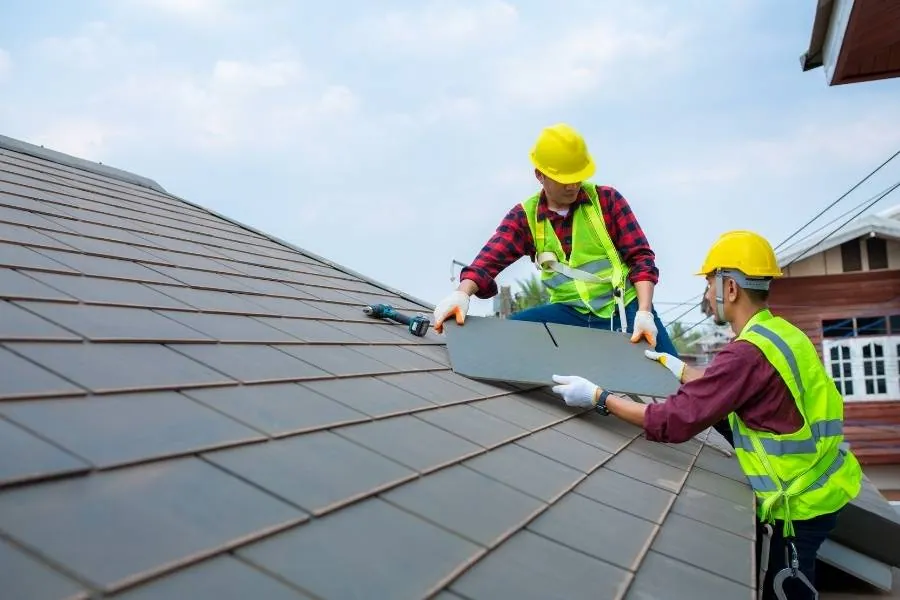
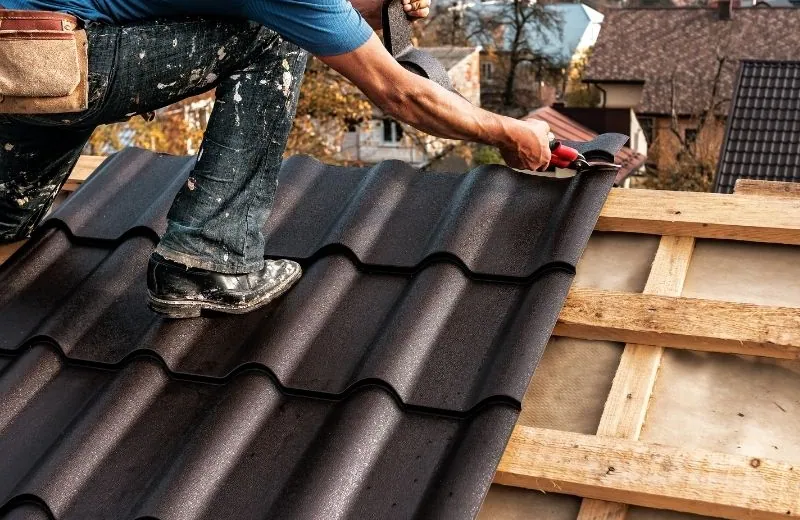
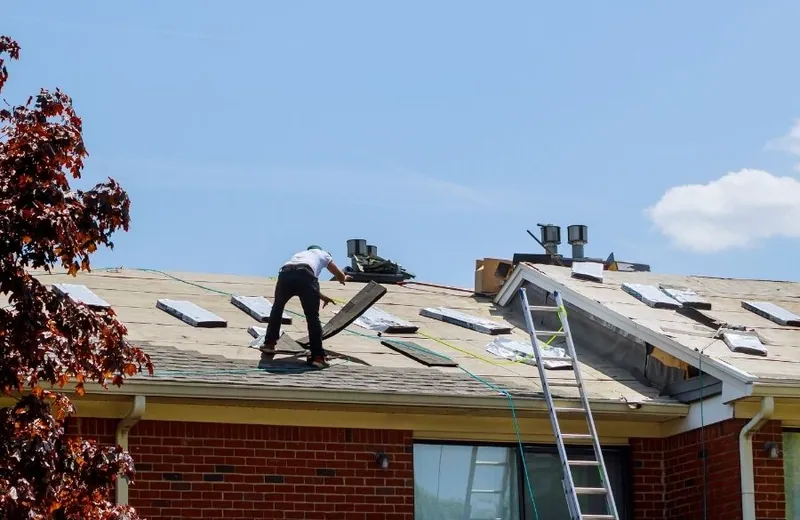
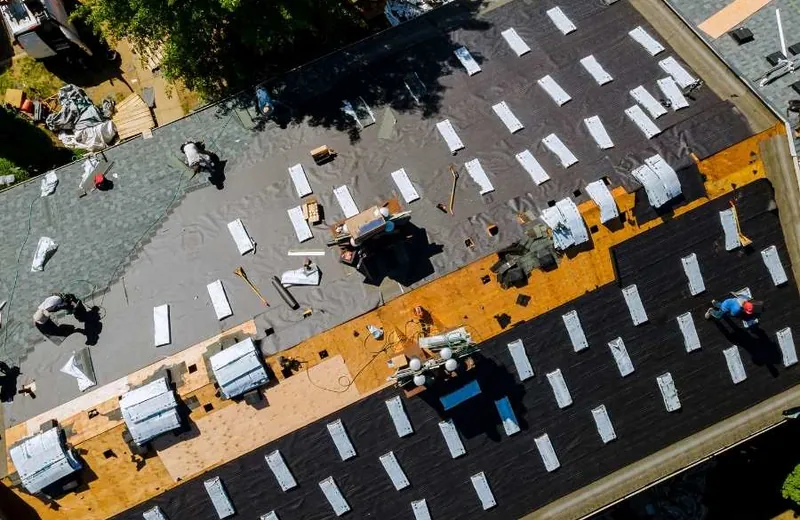
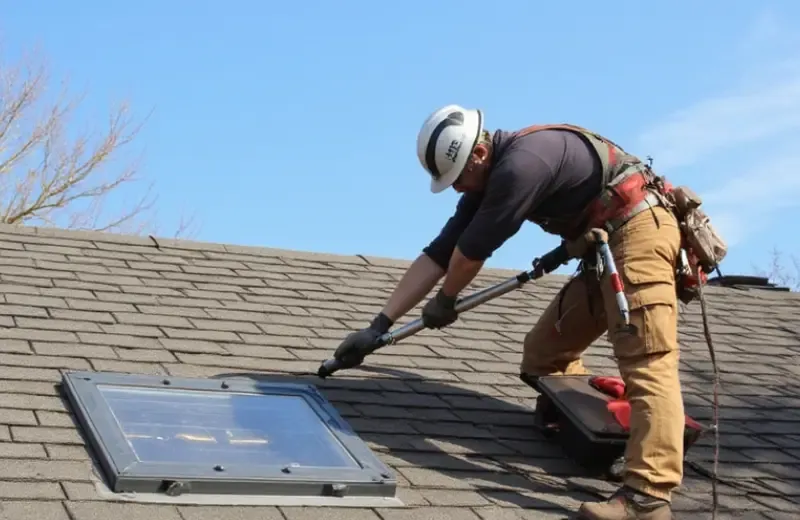
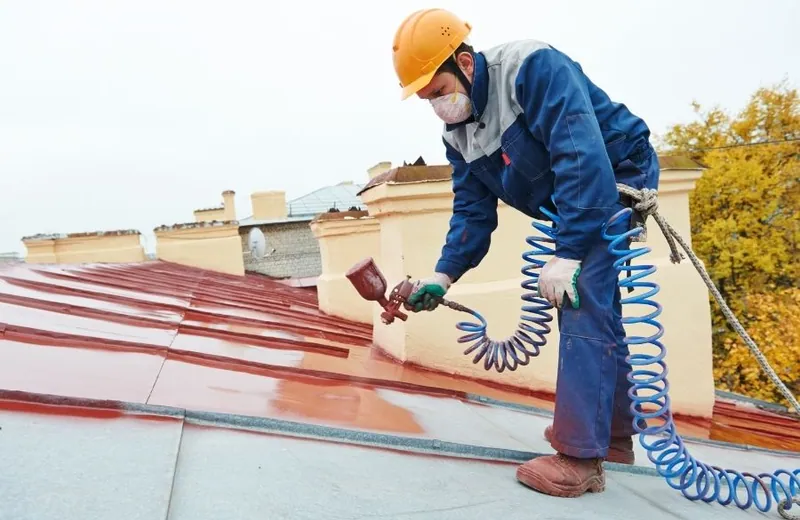
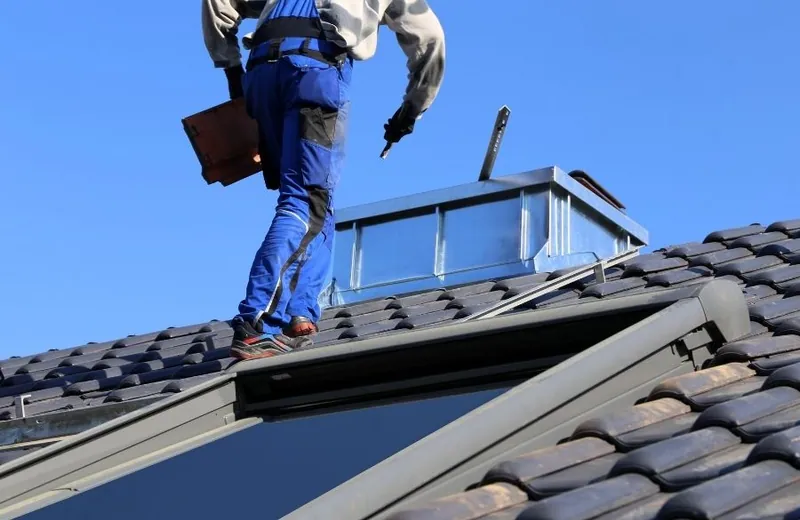
Recent roof-repair Projects in West Allis, WI
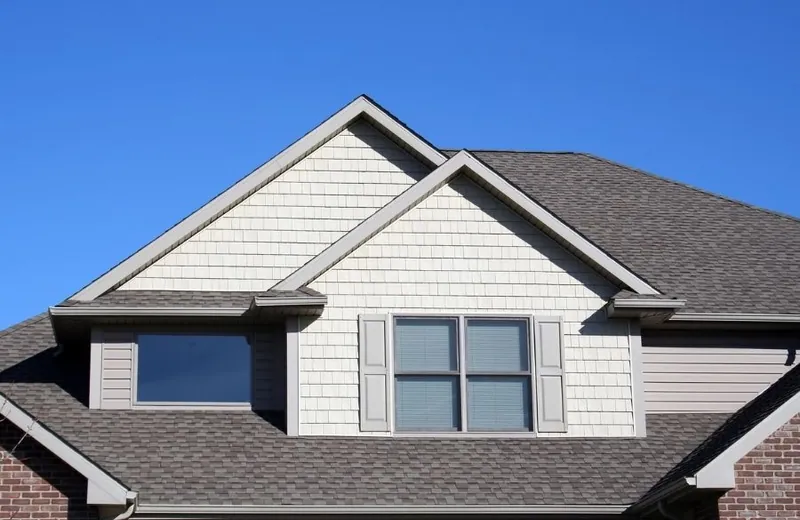
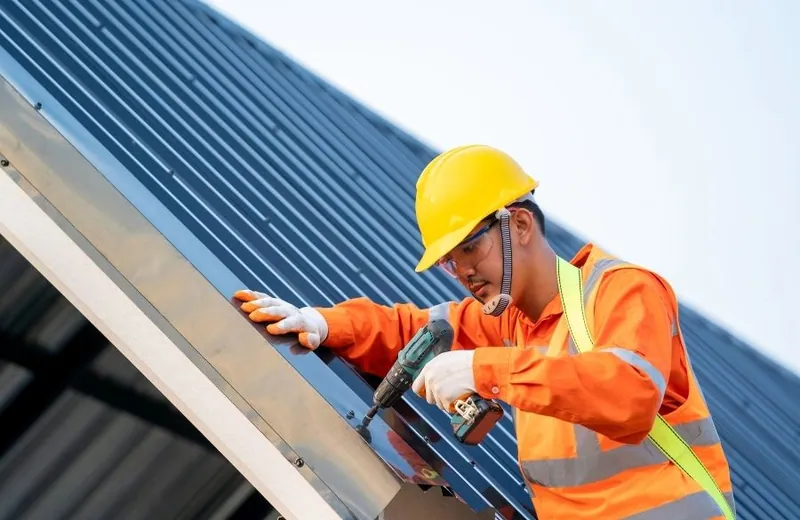
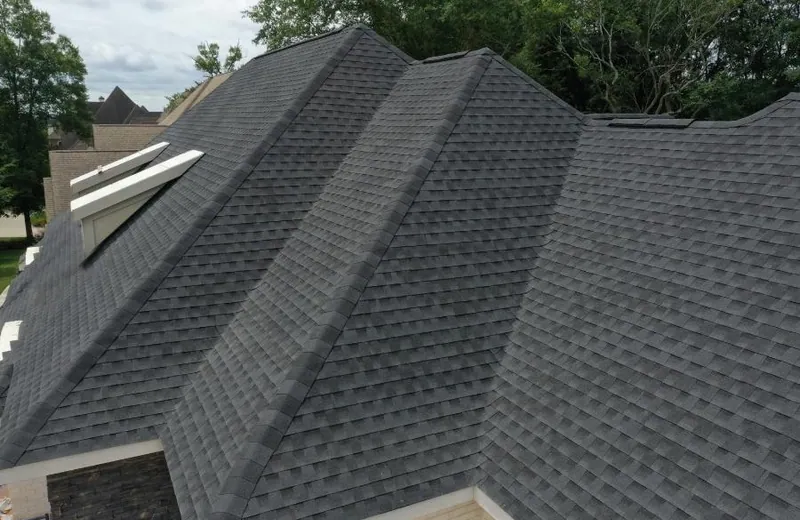
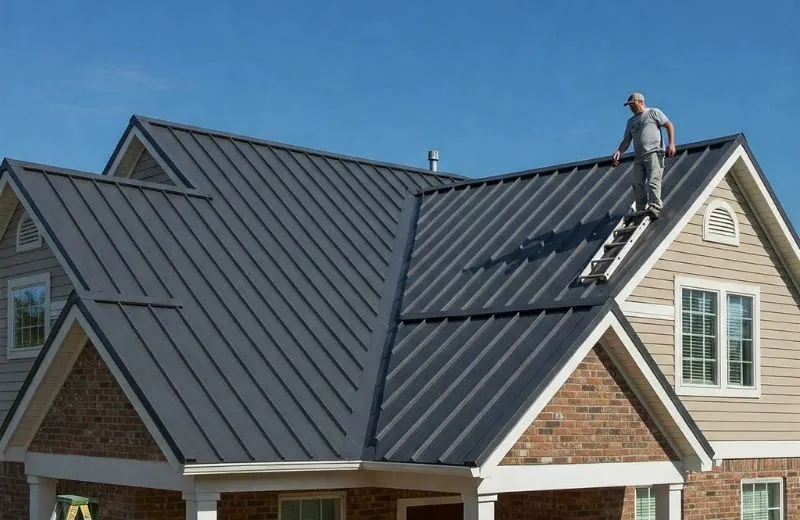
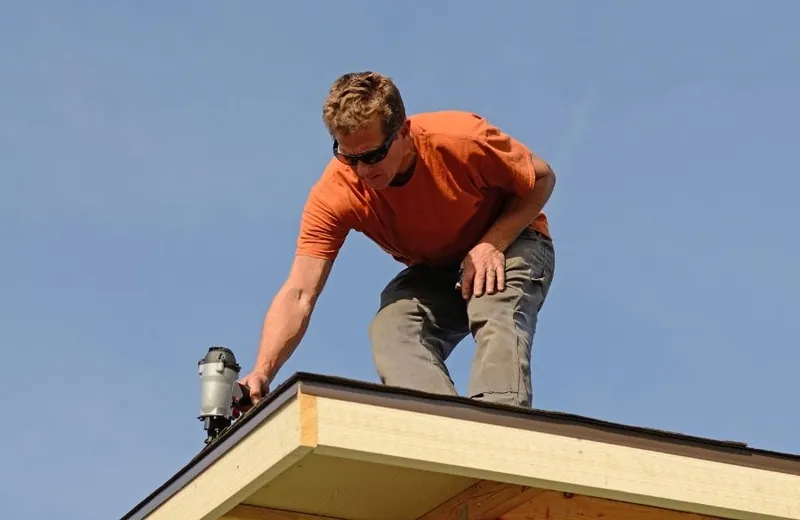
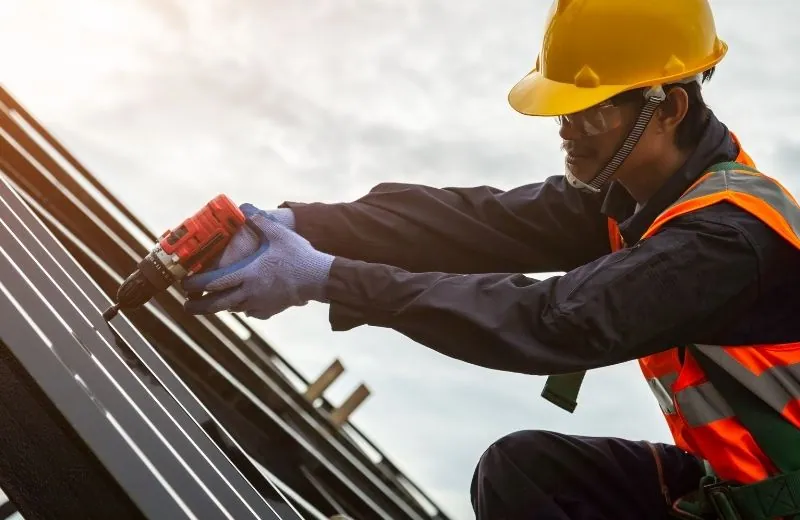
West Allis Roofing FAQs
How much does a new roof cost in West Allis?
Most full asphalt shingle replacements on West Allis bungalows, Cape Cods and duplexes fall between about $12,000 and $22,000. Where yours lands depends on roof size, pitch, how many layers we tear off, and how much plank sheathing needs replacing. Large suburban homes in Brookfield or New Berlin can run higher, and metal, slate or tile cost considerably more. We give you an itemized quote, with decking priced per sheet, so you know the possible extra costs before we start. Financing is available if you'd rather spread the cost out.
How do I stop ice dams from coming back every winter?
You stop ice dams by keeping the roof deck cold, not by chipping ice. That usually means opening blocked soffit vents, adding baffles at knee walls, sealing the attic air leaks that let warm air in, improving insulation, and making sure ice-and-water shield covers the eaves. In older West Allis Cape Cods and bungalows, airflow is almost always part of the problem. Heat cable can help in trouble spots, and gutter guards keep frozen debris from feeding the dam. During an inspection, we'll check your attic and recommend the fixes that matter most for your house.
Do I need a permit to replace my roof in West Allis?
In most cases, yes. West Allis, Milwaukee and Wauwatosa generally require a building permit for reroofing. The rules and fees vary by municipality, and some suburbs only require one when sheathing or structure is involved. Wisconsin's Uniform Dwelling Code also requires ice barrier at the eaves and limits roofs to a set number of layers, typically two. If your home is in a historic district or an HOA neighborhood, there may be extra approvals. We confirm the requirements for your city before we schedule any work.
How long does a roof replacement take?
Most single-family and duplex replacements in West Allis take 1–3 days on the roof, depending on size, the number of layers and the weather. Duplexes with a separate flat section, or projects that include a detached garage, can add a day. Scheduling depends on the season and permits. Shingles install best from April through November, when the seal strips can bond, and post-storm backlogs can push start dates out. Repairs are usually done in a few hours to a single day.
When should I call a roofer instead of waiting?
Call right away if water is coming into the house, if you see thick ice dams with ceiling stains, or after a storm leaves missing shingles or debris on the roof. Waiting lets water soak insulation and drywall, and can lead to mold and rotted decking. Schedule an inspection soon if you notice granules in your gutters, curling shingles, a sagging roofline, or tar smeared around the chimney. The best times for a checkup are fall, before freeze-up, and spring, after the thaw.
Should I repair or replace my roof?
If the damage is localized, like a flashing failure, a few blown-off shingles or a single leak, and the rest of the roof is sound, repair usually makes sense. Replacement is the better call when you have widespread granule loss, curling, multiple leaks, soft decking, or already two layers of shingles, since code typically won't allow a third. We'll show you photos and give you an honest recommendation. Many West Allis owners are surprised when we tell them a repair will do.
Can you help with hail or wind damage insurance claims?
Yes. We inspect the roof, photograph and document the storm damage, and give you an honest assessment you can share with your insurance company. We can make temporary repairs or tarp the roof to prevent more damage while the claim is processed. Under Wisconsin law (Wis. Stat. 100.65), contractors can't promise to pay or rebate your deductible. Be cautious of anyone who offers to. You also have the right to cancel a contract that depends on insurance approval within a set window after your insurer's decision.
Do you work on flat roofs and duplexes with mixed roof types?
Yes. Many West Allis duplexes have a steep main roof plus a flat rear porch or addition, and we handle both in the same project. For flat sections, we repair or replace with TPO or EPDM and correct drainage so water stops ponding. We also do commercial flat roofs along Greenfield, National and Lincoln Avenues and Hwy 100, scheduled to keep disruption to your business low. For duplexes, we coordinate access and timing with your tenants.
Serving West Allis, WI & Nearby
Get Your West Allis Roof Inspected Before the Next Freeze
Whether it's a chimney leak, ice on the eaves or a roof that's simply worn out, we'll find the cause, show you photos and give you a clear, honest price.
- ✓A thorough roof and attic inspection that checks ventilation and insulation
- ✓Photos of every problem we find and every repair we make
- ✓Itemized pricing, including up-front decking costs
- ✓Honest repair-versus-replace advice
- ✓A bonded and insured crew that protects your home and your neighbors'
- ✓Magnetic nail sweep and full cleanup of the yard and alley
- ✓Financing options for larger projects
⚡ Active leak, storm damage or an ice dam pushing water inside? Call now. We handle emergency tarping and winter leak repair.
Bonded • Insured